Food safety and commercial cleaning experts in Brampton assist you in maintaining restaurants, commissaries, bakeries, warehouses, and food service units in compliance. They disinfect high-touch points, food preparation zones, equipment, floors, drains, restrooms, and food handling zones using certified sanitizers, correct concentration, and documented exposure durations.
Key Takeaways
- Brampton food safety cleaning experts support restaurants, grocery departments, commissaries, warehouses, bakeries, schools, mobile vendors, and allergen-sensitive operations.
- Cross-contamination reduction is ensured by cleaning high-touch surfaces, food-contact equipment, kitchens, floors, drains, restrooms, and storage areas with zone-based workflows.
- Logging of finalization through checks, assessments, and corrective-action records verifies certified providers have validated proper chemical concentration, suitability, and contact time.
- Danger, output capacity, format changes, incidents, and guidelines must guide maintenance plans, with routine, recurring, and annual operations allocated by area.
- Contractors should possess HACCP, public-health expertise, WHMIS education, coverage, credentials, color-coded instruments, and inspection-ready hygiene documentation.
Which Brampton Operations Need Food Safety Cleaning?
Food safety cleaning is mandatory for any Brampton facility that manages, stores, prepares, packages, or distributes food. Apply it to your establishment if it falls within public health inspection, food premises regulations, or internal HACCP-based controls. This includes food service venues, employee dining, supply facilities, retail sections, butcheries, seafood counters, retail shops, and facility kitchens.
You'll additionally need documented food sanitation in supply facilities, manufacturing operations, cold storage warehouses, bakeries, school food programs, reception halls, and delivery services. Mobile and temporary operations are included, including catering trucks, festival vendors, and pop-up food booths. When your workers process ingredients, portion ready-to-eat items, reheat products, or store allergens, your facility requires written cleaning standards. In Brampton, hygiene remains compulsory; it comprises lawful, access now operational, and customer protection standards.
Which Areas Do Brampton Cleaning Experts Cover?
Your operation needs cleaning professionals who disinfect frequently contacted surfaces, cooking and food prep areas, floors, and restrooms for food safety and health code adherence. These zones receive attention due to their elevated cross-contamination potential, hazardous walking conditions, and breaches of sanitation codes.
By knowing exactly what gets cleaned, you are able to confirm your facility's cleaning procedures satisfy all operational and regulatory requirements.
High-Touch Surface Disinfection
arrange sterilization intervals based on foot traffic, environmental hazards, and business activities.
Preventing cross-contact by swapping cleaning materials, implementing directional systems, and keeping sanitization equipment according to location ensures your cleaning system remains measurable, defensible, and ready for inspection.
Food Prep Areas, Flooring, and Sanitary Facilities
Brampton cleaning professionals will address kitchens, floors, and restrooms since each space presents different hygiene concerns, injury, and community health challenges. In industrial kitchens, you need degreasing on cook lines, equipment exteriors, drains, prep surfaces, and splash zones to minimize contamination and pest pressure.
You should also expect documented flooring maintenance. is also provided as part of the service.
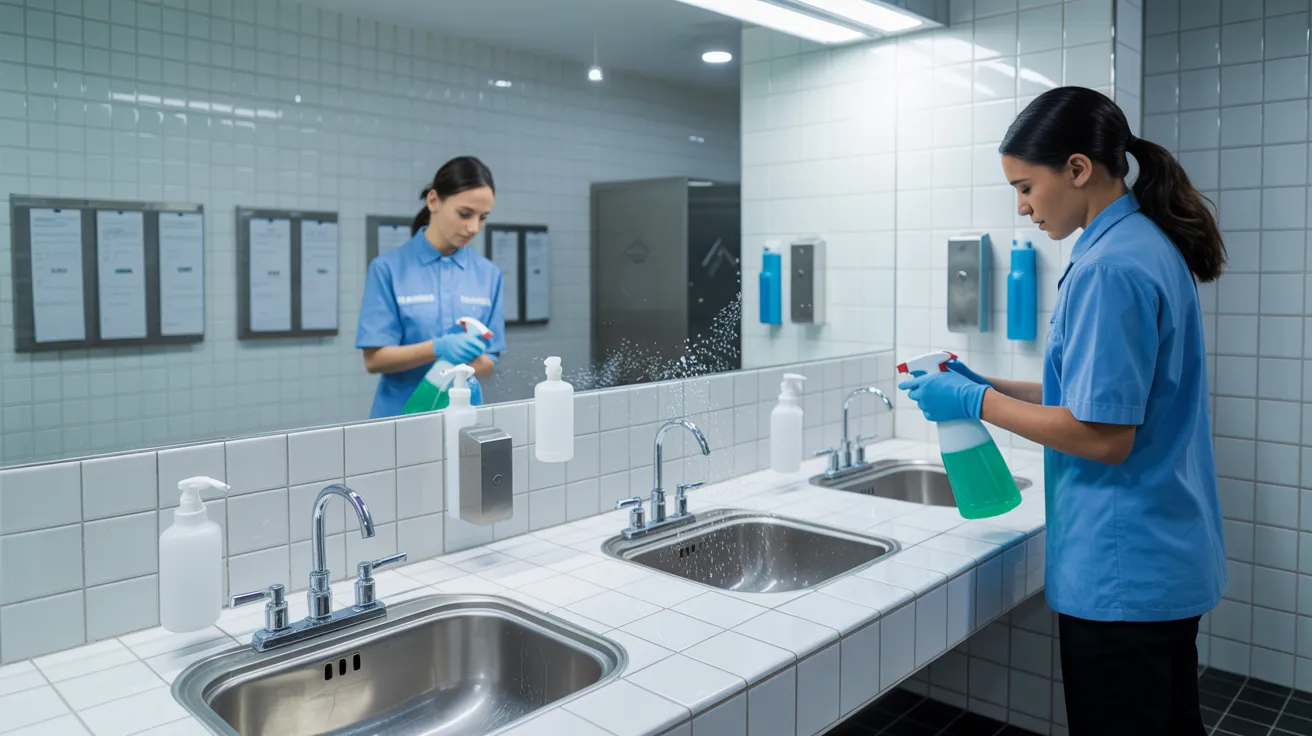
For restroom sanitation, cleaners disinfect touchpoints, fixtures, partitions, dispensers, and waste containers, then replace products and reduce odor. They also maintain restaurant cleaning supply rooms where product storage, sink cleanliness, and drain systems impact daily sanitation standards and worker protection.
The Importance of Food Safety Cleaning in Brampton
To adhere to health code requirements and succeed in audits, Brampton facilities must follow appropriate cleaning protocols. You also minimize cross-contamination by cleaning and sanitizing food-contact surfaces, equipment, and high-touch areas correctly. Most importantly, you help protect public health by lowering the risk of foodborne illness in your facility.
Food Safety Regulations
Because Brampton food operations operate under mandatory safety protocols, food safety cleaning directly impacts your competence to adhere to health code requirements, safeguard customers, and avoid enforcement action. You must maintain clean food preparation areas, recorded sanitation plans, correct sanitizer application, and traceable training practices that comply with municipal and provincial inspection expectations.
During regulatory assessment of your operation, inspectors assess whether your hygiene protocols facilitates proper stock preservation, machinery hygiene, refuse management, and washroom maintenance. Well-maintained cleaning files allow you to show due diligence during official assessments and demonstrate that your operations are consistent, replicable, and monitored.
Cross-Contamination Prevention
Maintaining health code standards copyrights on your capacity to prevent cross-contamination during everyday food preparation and sanitation. You need to partition uncooked items from finished dishes, sanitize prep surfaces between tasks, and store chemicals away from food-contact items. Clear procedures reduce transfer risks and support consistent compliance during inspections.
Building allergen isolation prevents priority allergens from contacting common workstations, storage, or apparatus. Leverage separate cutting boards, colored implements, and precise instrument labeling so staff don't mix items during preparation or service.Mandate hand cleaning following raw meat, seafood, eggs, or allergen-containing products. Swap wiping cloths regularly, and confirm disinfectant efficacy using test strips. When your team follows these practices each shift, you foster a cleaner, more secure operation that meets Brampton's food safety expectations daily.
Public Health Protection
When food safety cleaning breaks down, you don't just risk a failed inspection—you increase the chance of foodborne illness impacting customers, staff, and the wider Brampton community. You also undermine your responsibility in safeguarding community wellness, especially in high-traffic food premises where contamination can spread quickly through surfaces, equipment, and touchpoints.
You must establish sanitation protocols that remove contaminants, sanitize properly, and verify outcomes. This involves adhering to contact periods, employing authorized sanitizers, logging schedules, and training employees to meet regulatory standards. These mechanisms support disease prevention by decreasing microbes before contaminating food or surfaces. Across Brampton, effective sanitation protects at-risk populations, limits outbreak risk, and demonstrates accountability. When you follow standards, you go beyond requirements—you meaningfully reduce risk and enable safer food service city-wide.
How Can Cleaning Practices Ensure Food Safety Compliance?
Adopting comprehensive cleaning schedules secures food safety compliance by decreasing contamination threats, preventing pathogen multiplication, and ensuring your facility complies with sanitation requirements under HACCP-based programs and public health regulations. You verify that product-contact areas remain visibly clean and microbiologically controlled, backing documented preventive controls and inspection readiness.
Cleaning efforts additionally amplify allergen mitigation by removing residues that can cause undeclared allergen exposure.
How Do You Plan Commercial Cleaning Work?
Establish cleaning schedules based on risk assessment, output volume, and regulatory standards instead of relying solely on a fixed calendar. You should arrange regular cleaning every day
You should also schedule periodic tasks on their own
What Should You Look For in Brampton Cleaning Experts?
Evaluate providers first by sanitation compliance standards rather than cost. You must ensure each provider understands CFIA, public health, and HACCP-aligned expectations for your business. Request insurance proof, WHMIS compliance, staff training documentation, and supervision methods. Check technician awareness of cross-contamination risks, chemical safety, and traceable sanitation records.
You should further examine operational reliability and answerability. Request testimonials from Brampton food businesses, then review response times, corrective-action procedures, and communication protocols. Validate the company supports supplier audits and can supply compliance documentation to authorities or third parties. Confirm equipment is maintained, color-coded implements are used appropriately, and facility-specific risks are identified. A qualified provider protects compliance, product quality, and your reputation in the market.
What aspects should a Food Safety Cleaning Plan include?
Put together a written program that establishes every sanitation task, standard, and responsibility ahead of production commencement. You should specify cleaning frequencies, approved chemicals, dilution rates, contact times, tools, and verification methods for each zone, surface, and piece of equipment. Add pre-operational inspections, corrective actions, and employee training requirements.
Your plan should also include cross-contamination prevention, waste disposal, pest management measures, and scheduled documentation for bathrooms, drainage, ground surfaces, and food-handling zones. Clarify how you'll distinguish raw from ready-to-eat operations, help with ingredient tracking, and copyright accurate allergen labeling through validated cleaning between product changes. You should define accountability, preserve signed records, and review results against regulatory standards, HACCP controls, and customer requirements. When gaps appear, adjust procedures immediately and retrain staff.
Popular Inquired Questions
Do cleaning services work during overnight shifts at Brampton properties?
If you operate regulated spaces, you'll also require records that enable audits and ensure quality assurance.
Will Brampton cleaning experts respond to emergency spills?
Yes, you can discover many Brampton sanitation experts providing spill response options. They handle hazardous incidents, evaluate risks, contain affected zones, and begin swift decontamination to reduce risk and avoid operational impact. You should verify response rates, credentials, PPE measures, and waste procedures. If your facility must meet compliance standards, pick a provider that tracks incidents, follows procedures, and supports verification.
Can eco-friendly disinfectants be utilized safely on food preparation areas?
In essence, natural disinfectants remain safe for food preparation areas provided you source solutions certified for food use that adhere to compliance requirements. Validate contact duration, concentration levels, and rinse protocols in advance of use. Botanical formulations decrease chemical hazards, although you should obtain proof of efficacy against harmful bacteria. To preserve residue-free areas, stick to exact manufacturer guidelines and ensure the disinfecting agent adheres to relevant food safety standards.
Can maintenance plans change with seasonal shifts?
Absolutely, cleaning schedules are customizable for production fluctuations. Modify intervals, staff levels, cleaning agents, and validation steps to correspond to production rhythms while preserving regulatory compliance. Lower production downtime through organizing sanitation around production shifts, peak seasons, and usage cycles. Additionally, update procedural documents, training, and monitoring protocols to capture seasonal hazards, new allergens, or higher contamination levels. Frequent reviews preserve your strategy functional.
Do commercial cleaning providers instruct staff members in proper hygiene techniques?
Indeed, professional cleaners typically provide staff training on proper hygiene. Your staff receives instruction on safe chemical application, exposure durations, preventing cross-contamination, equipment breakdown, and documentation. They typically follow training with HACCP, GMP, and CFIA or local public health requirements. Many also execute sanitation audits to verify compliance, reveal issues, and strengthen improvement measures. This supports you in establish reliable processes, pass inspections, and decrease foodborne illness risks each day.
Summary
When you partner with Brampton commercial cleaning and food safety experts, you aren't merely cleaning—you keep your operation inspection-ready and your standards compliant. From kitchens to processing floors, every clean surface and maintained area helps reduce unwelcome guests and prevent costly setbacks. By arranging cleanings at the proper frequency and adhering to a detailed cleaning schedule, you protect staff, patrons, and your reputation. In a strict regulatory setting, clean spaces are essential—they're part of doing business right.